The northern highlands · Kenya
Laikipia
Conservancies north of Mount Kenya where the land is worked with wildlife rather than fenced away from it.
Laikipia is not a national park. It is a plateau of private and community conservancies covering roughly nine thousand square kilometres, where ranching, research and tourism share the same ground and the wildlife moves between them.
Practically, this means very few vehicles, night drives and walking safaris that are not permitted in the parks, and the ability to get out and track on foot with someone who grew up doing it. It also means your bed night funds anti-poaching and community schooling in a way you can see on the ground rather than read in a brochure.
It is the best first safari we know, and the best fifth. The Mara has more lion. Laikipia has more space, better guiding, and none of the queue of minibuses at a leopard sighting.
- Best time
- June to October, and January to early March
- Why then
- Dry seasons concentrate wildlife at water. January and February are hot and green and beautiful; June to October is the classic window.
- When not to
- The long rains, roughly late March to May. Tracks wash out, some camps close, and light aircraft schedules get unreliable.
- Getting there
- Fly to Nairobi, then a light aircraft from Wilson to an airstrip on the conservancy. Baggage on those flights is limited to 15kg in a soft bag; we say so early because it surprises people.
What it is for
Highlights
Walking with Samburu trackers
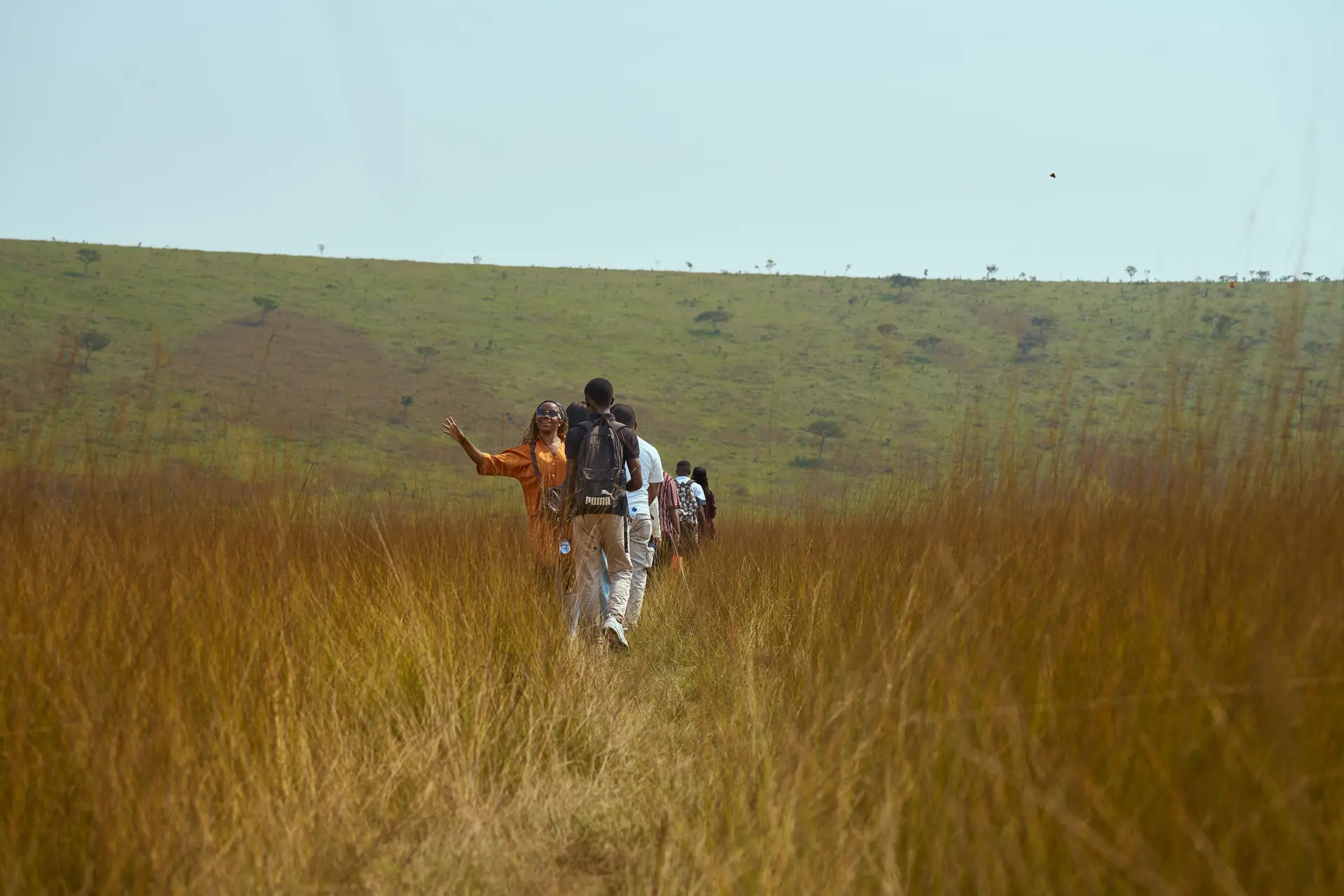
Three or four hours on foot at first light, which changes what a safari is.
Night drives
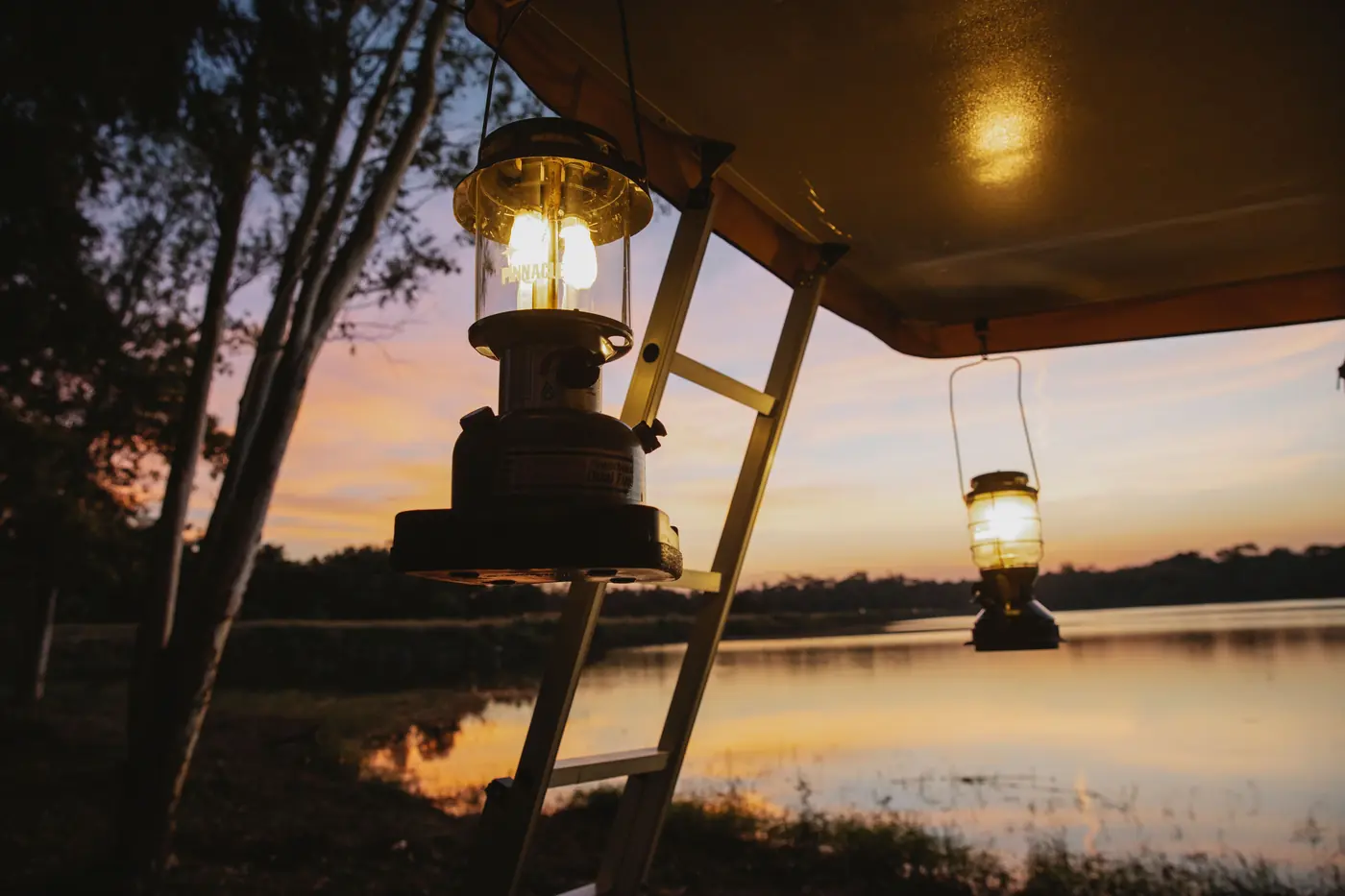
Permitted on private land. Aardvark, caracal, striped hyena, and the sound of the plateau after dark.
The rhino sanctuaries
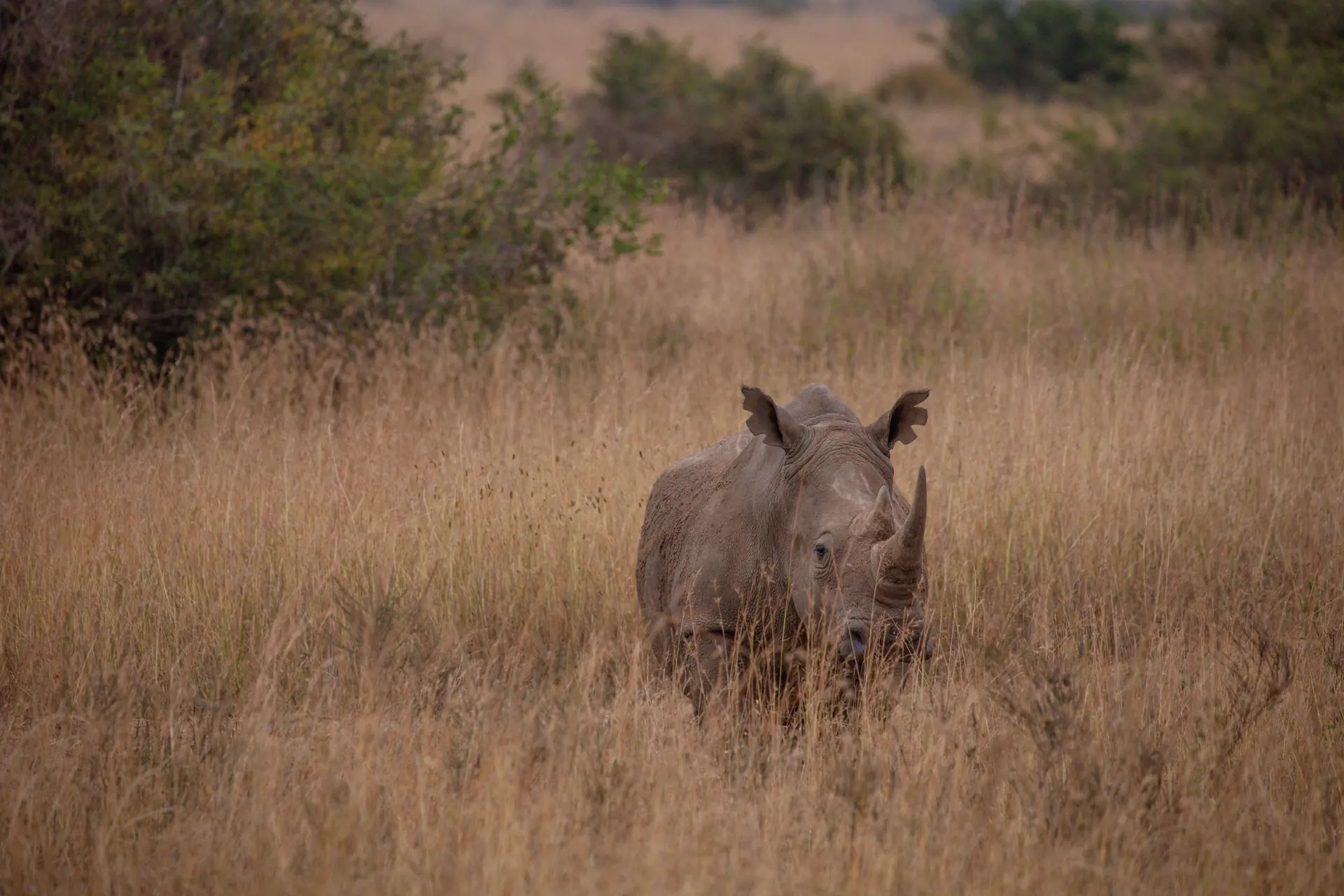
Both black and white, and a conversation with the people who guard them that is not a sales pitch.
Mount Kenya at dawn
Usually in cloud by nine. Be up early and you get thirty minutes of it.
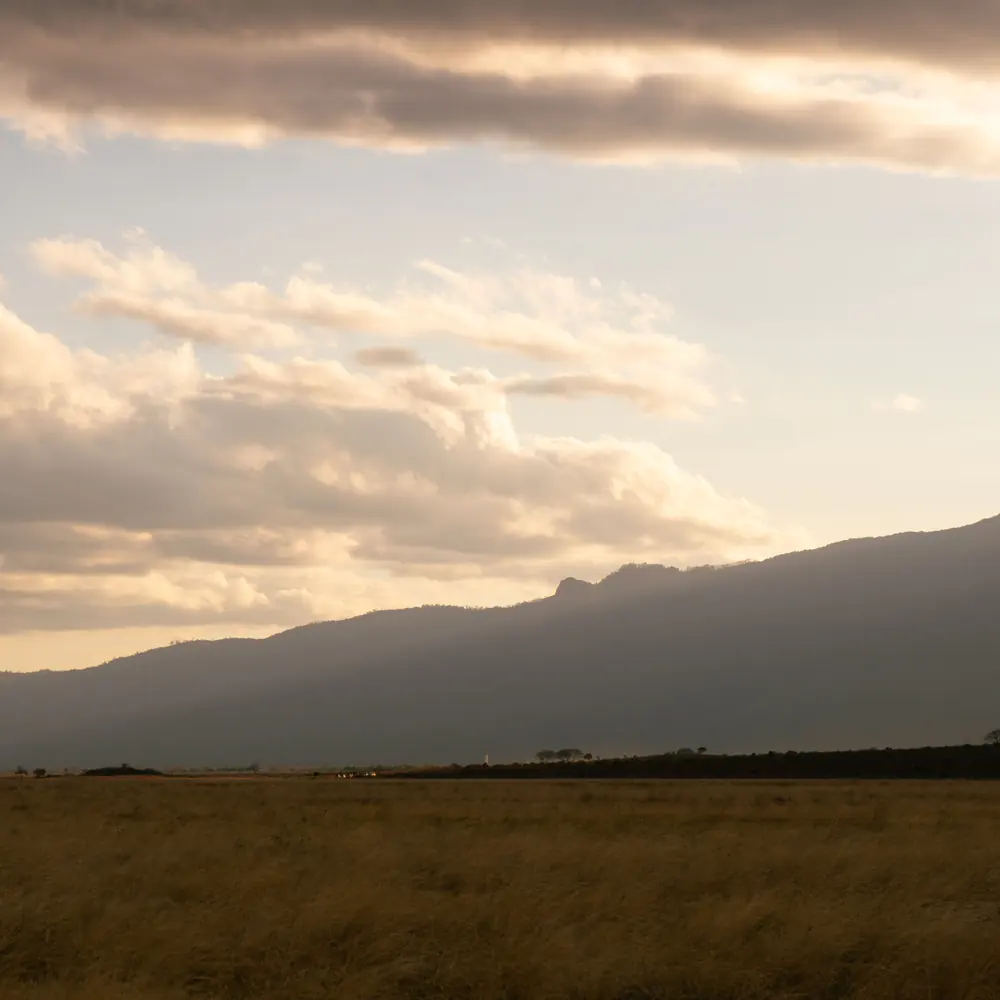
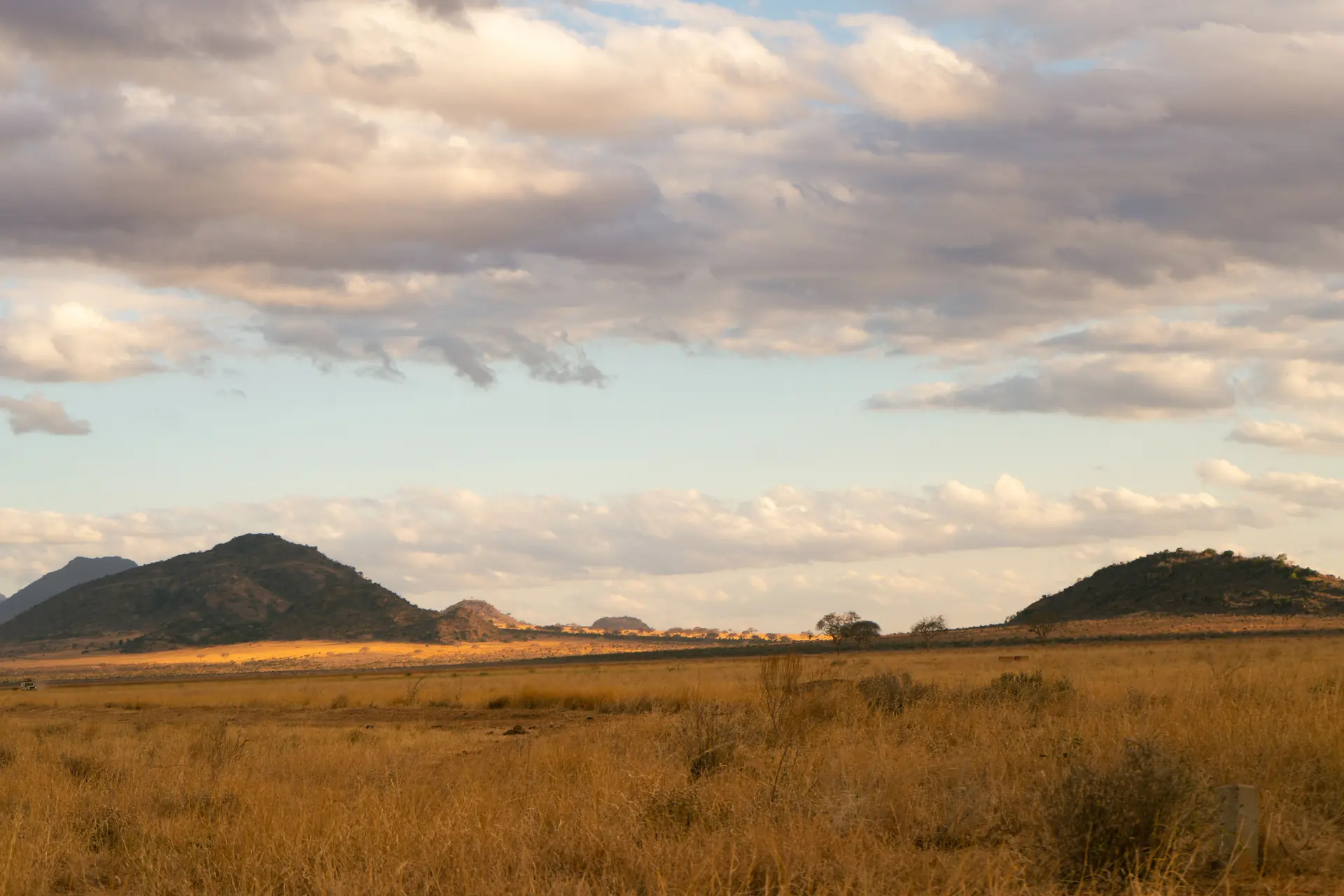
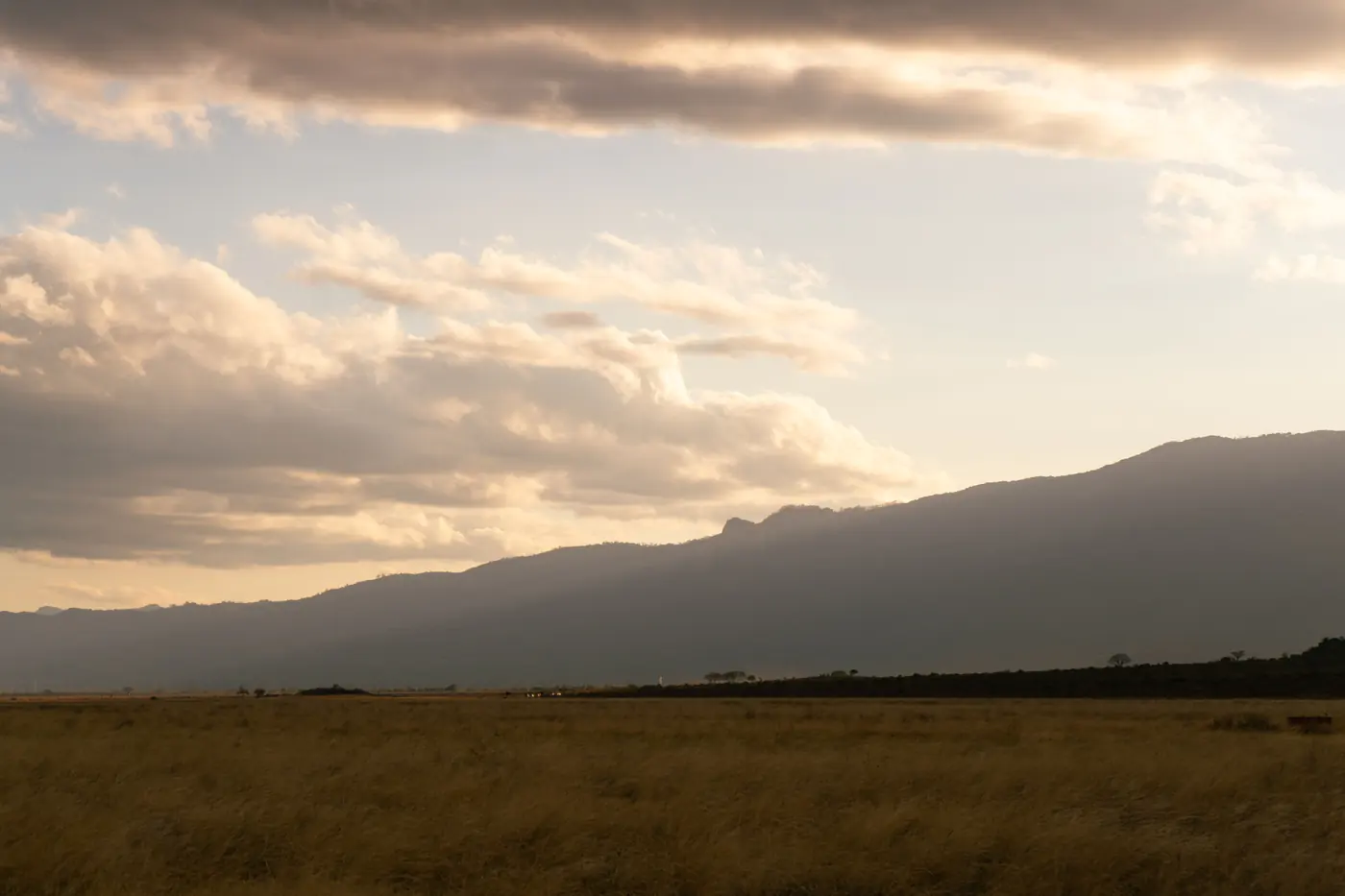
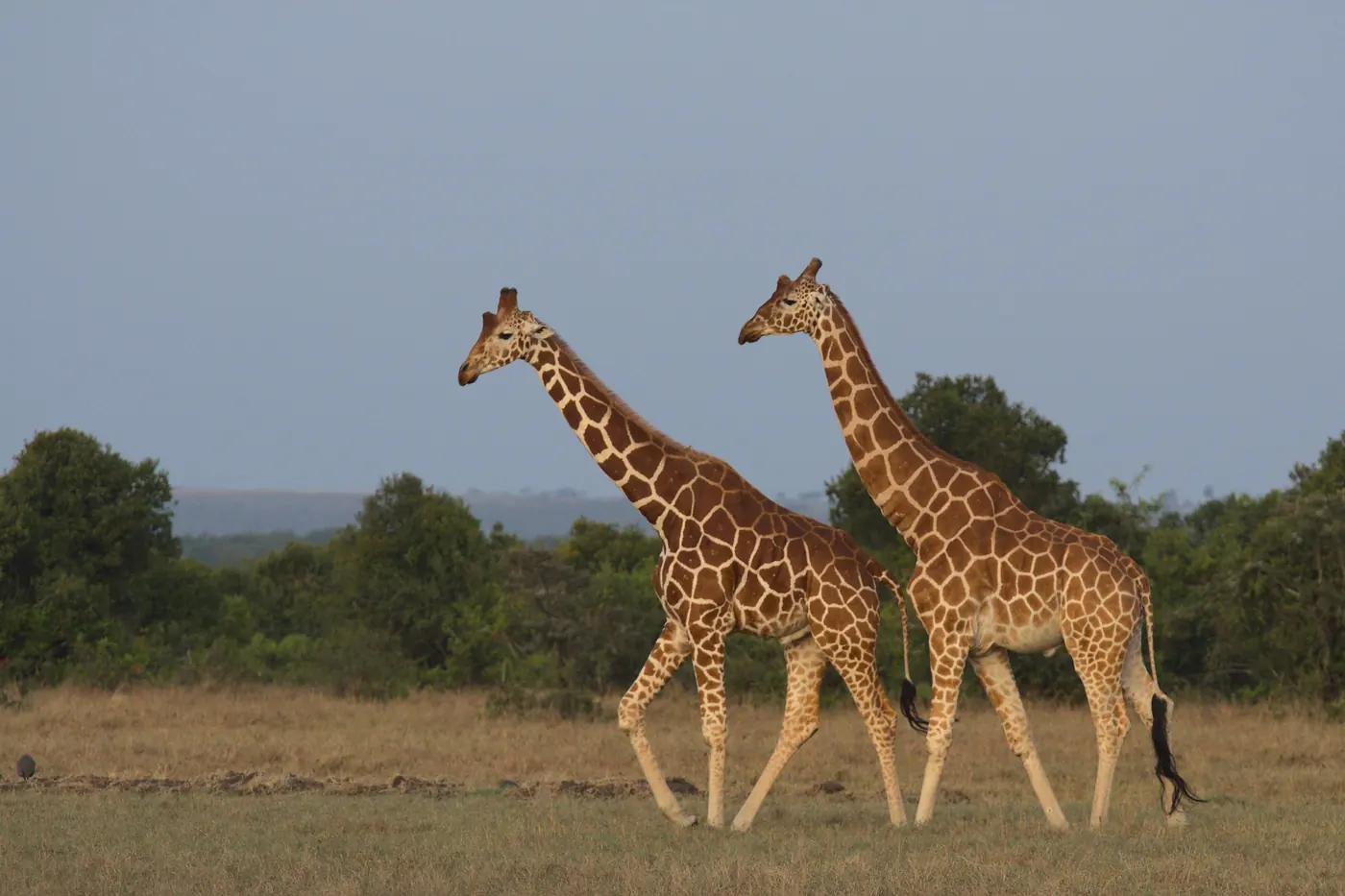
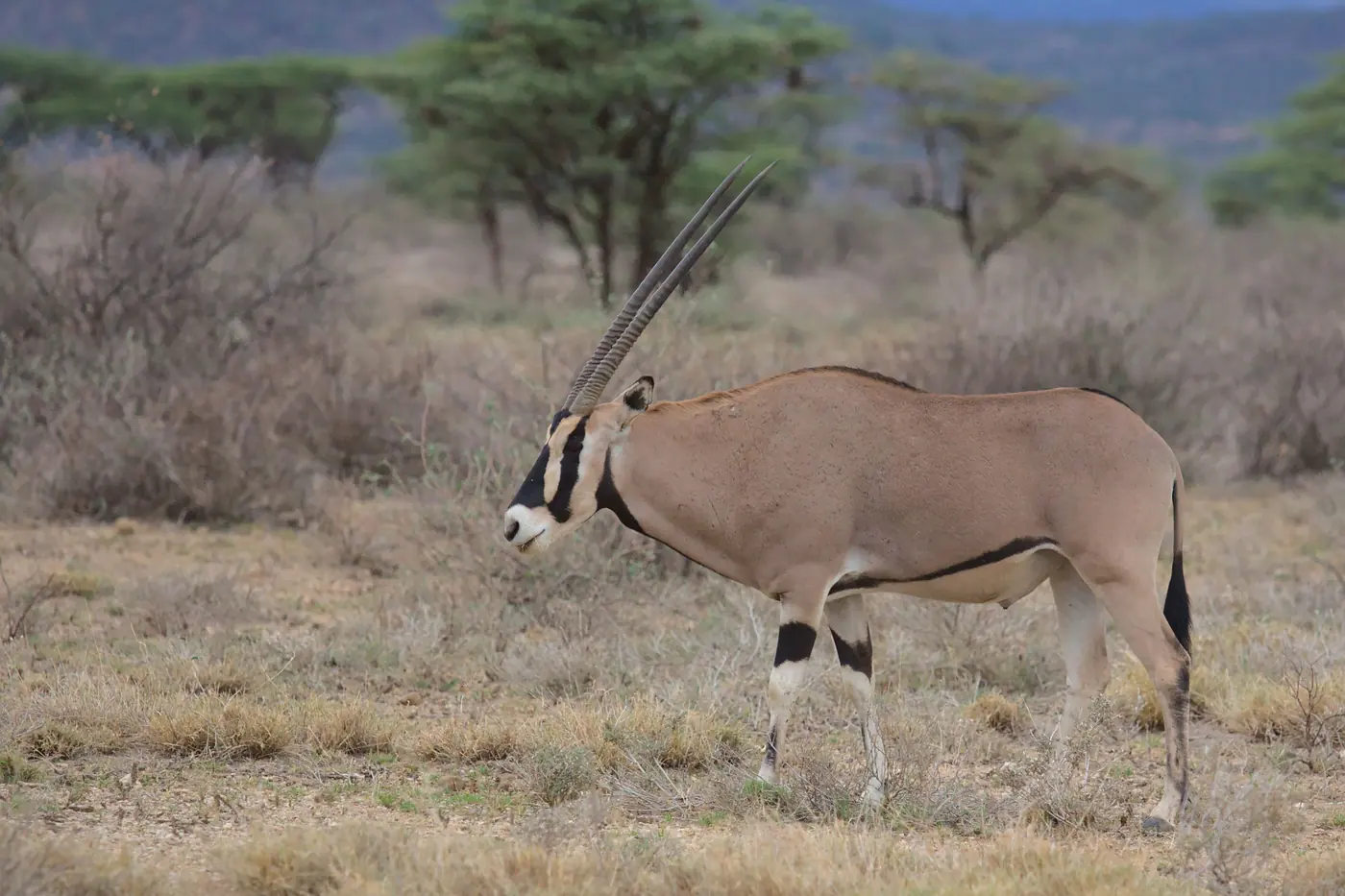
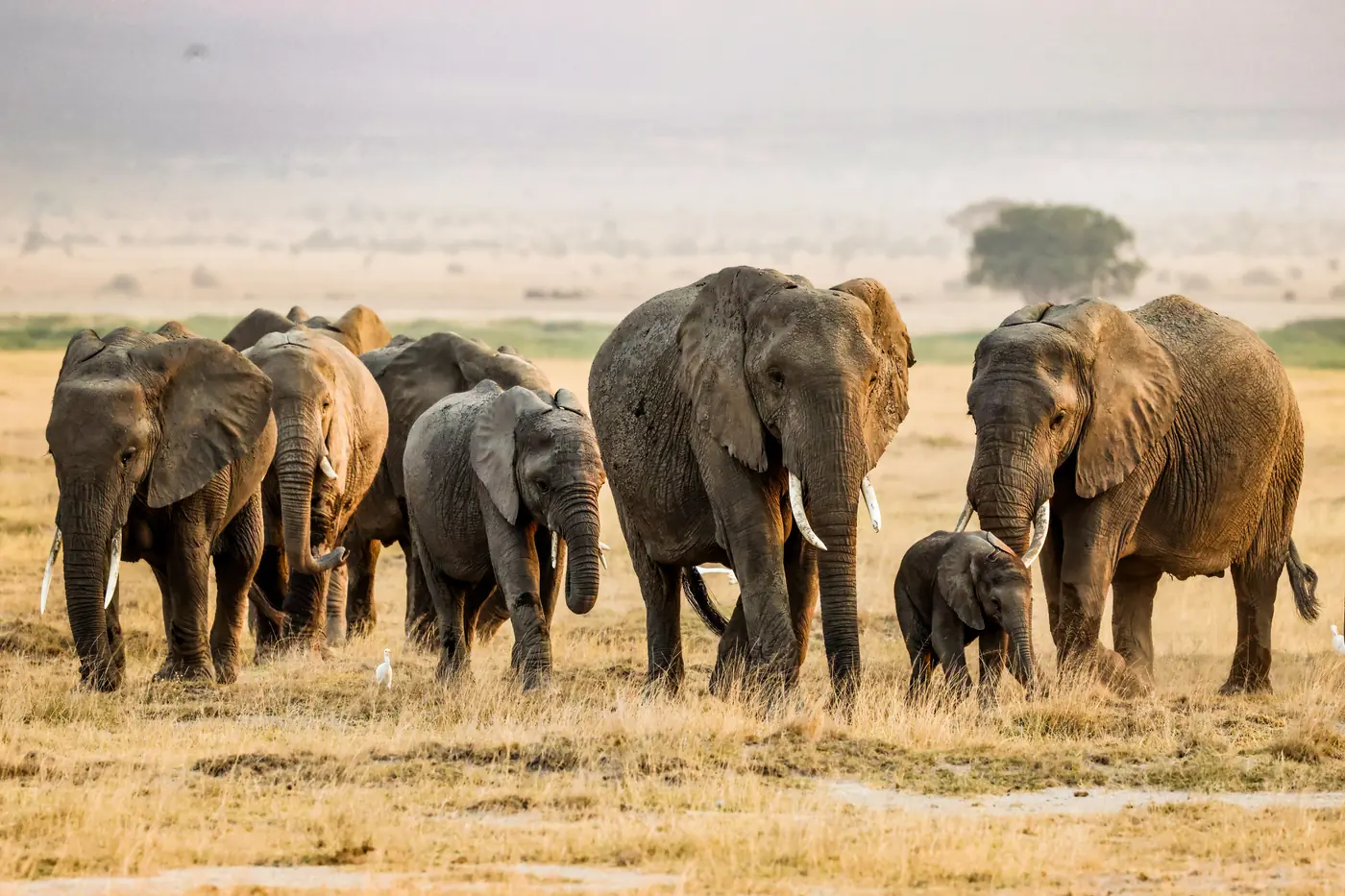
Laikipia in six frames
From the advisor
The trackers who read the ground
On a morning walk out of Ol Malo you will stop at a patch of dust that looks like dust. Your Samburu tracker will tell you a female leopard came through it before dawn, going north, unhurried, and probably with a cub.
That skill takes a childhood to build and it is being paid for, properly, by conservancy tourism. It is the single strongest argument for coming here rather than somewhere cheaper, and it is why we put walking rather than driving at the centre of every Laikipia itinerary we write.
Journeys
Trips that go to Laikipia
10 days · Private
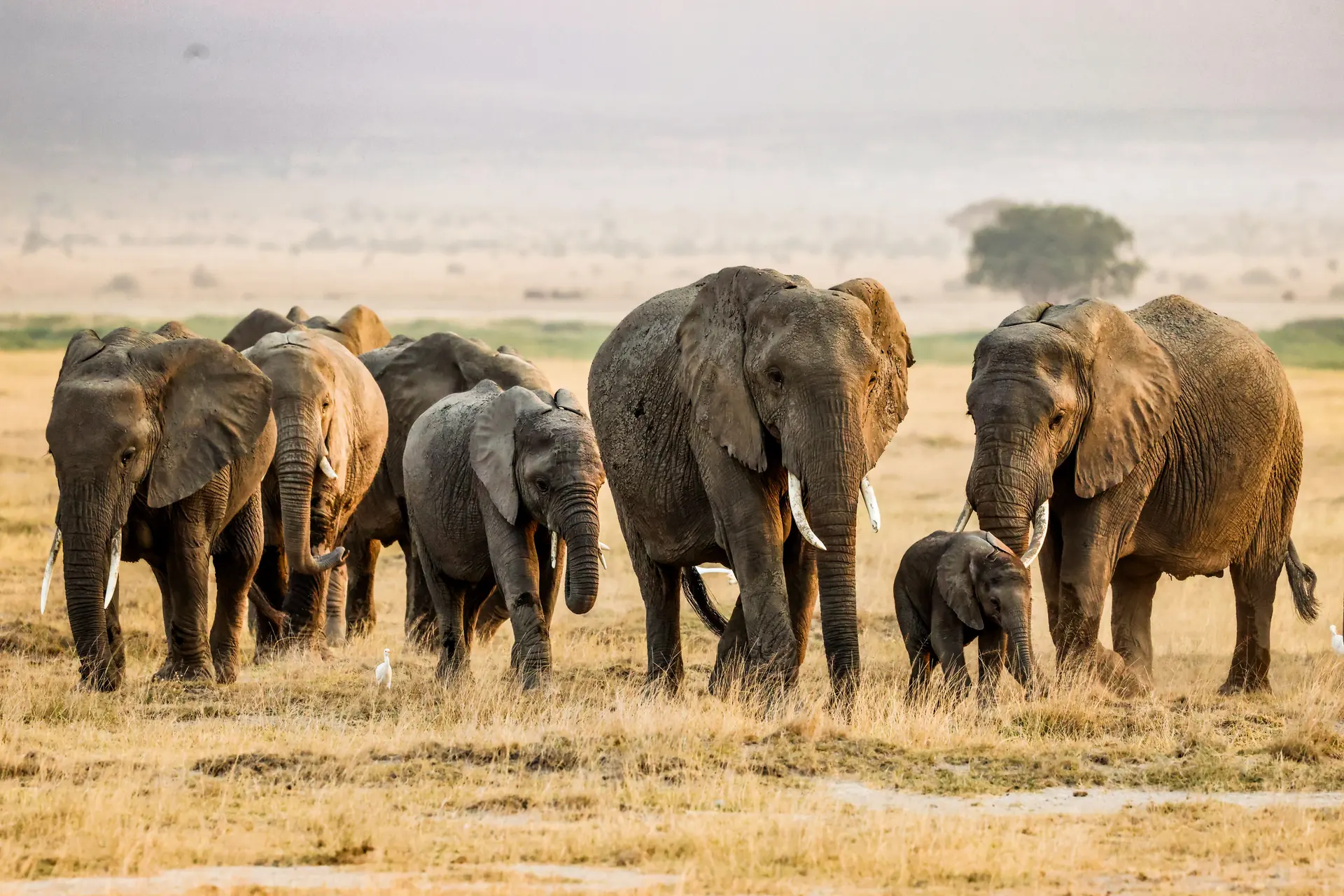
Laikipia Conservancy Weeks
Two conservancies, three nights each minimum, with walking safaris and night drives that the national parks do not permit.
Wildlife and conservation€8,900from, per person
9 days · Private
Laikipia for Families
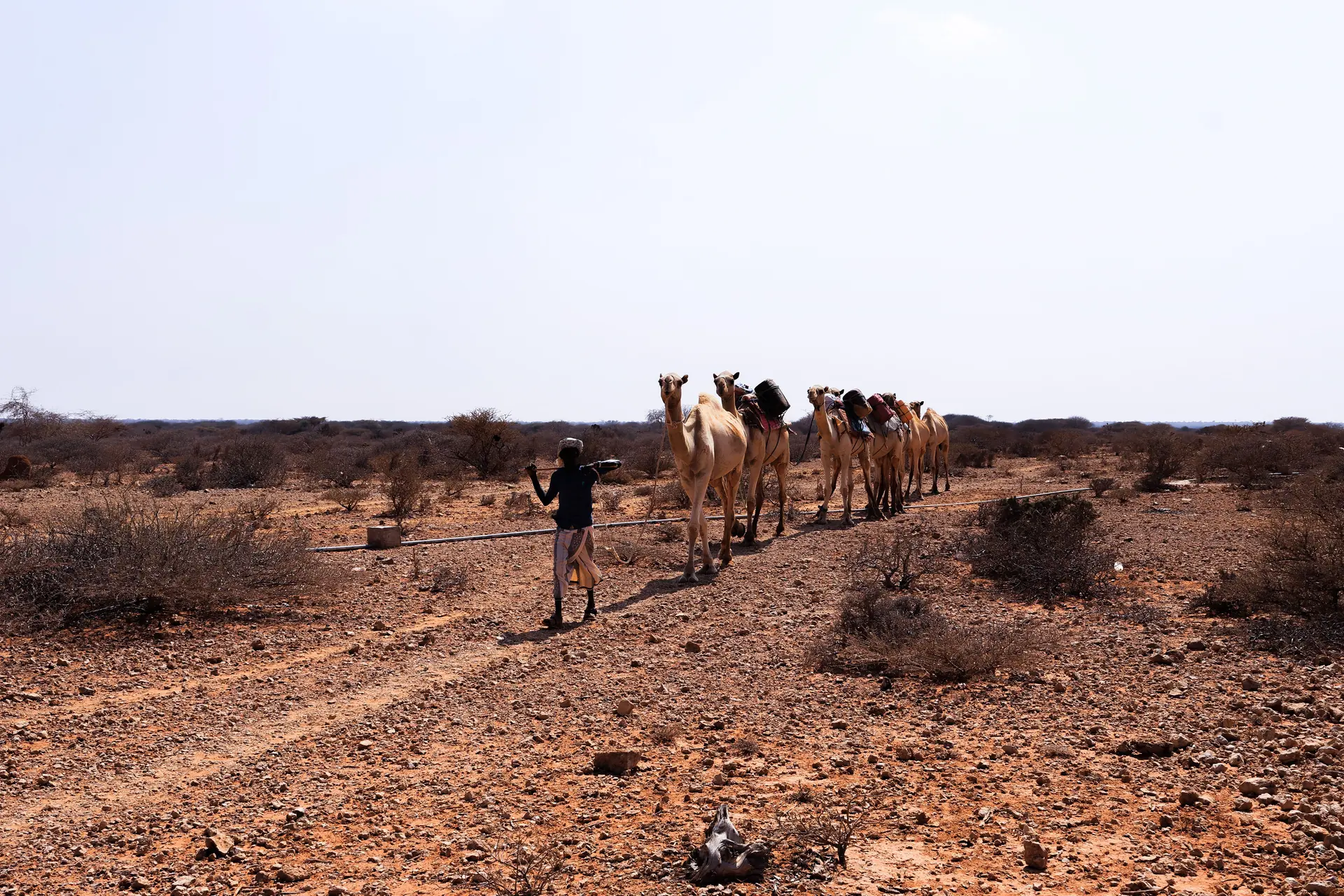
The same conservancies, restructured for families: tracking on foot, camel walks, a night in a fly camp, and no six-hour drives.
Wildlife and conservation€7,200from, per person
Experiences
Days here worth flying for
Practical
Things worth knowing first
Two nights is not enough
The first day is travel and orientation. Three nights minimum, four is better, per camp.
Soft bag, 15kg, and mean it
Light aircraft will refuse a hard suitcase. We send a packing list that works.
It is cold at dawn
Two thousand metres on the equator. Take a fleece for the 6am drive and you will be glad of it.
Who plans it