essay · 6 min
What a bed night in Laikipia actually pays for
Conservancy tourism is the argument for coming here rather than somewhere cheaper. Here are the numbers.
By James Mwangi ·
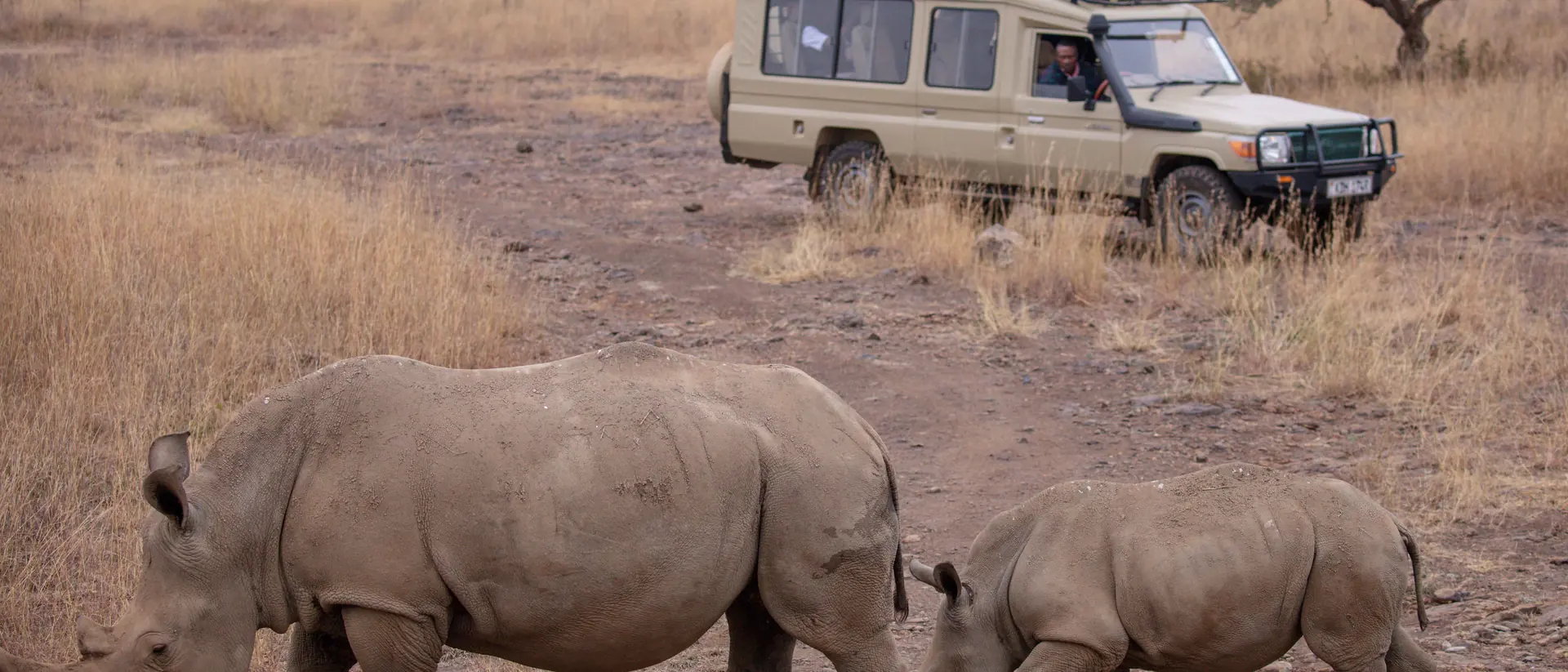
Laikipia is not a national park. It is roughly nine thousand square kilometres of private and community conservancy, where ranching, research and tourism share ground and the wildlife moves between them.
That arrangement only works if the tourism pays for the conservation. So it is reasonable to ask how much of what you pay actually gets there.
The rough shape of it
On the conservancies we use, a conservancy fee is charged per person per night, separately from the bed rate. It is not a booking fee and it does not go to the camp. It funds the ranger units, the monitoring teams, the vehicles and the community schooling agreements that keep the land under this use rather than another.
- Anti-poaching and monitoring salaries, which is most of it
- Vehicles, fuel and radio infrastructure
- Community lease payments to the group ranches
- Schooling and bursary agreements attached to those leases
The tracker walking you through the bush at six in the morning is the visible end of a payroll. That is not sentimental; it is the business model.
Why I insist on three nights
Two nights is one full day. It is not enough time for the guiding to be worth what you paid for it, and it doubles the per-night transfer cost for the camp. Three nights per camp is the shortest stay I will plan, and I have lost bookings over it.
If you want the numbers for a specific conservancy before you book, ask me. Several travellers have, and I have sent them.
Related
Journeys to Laikipia
10 days · Private
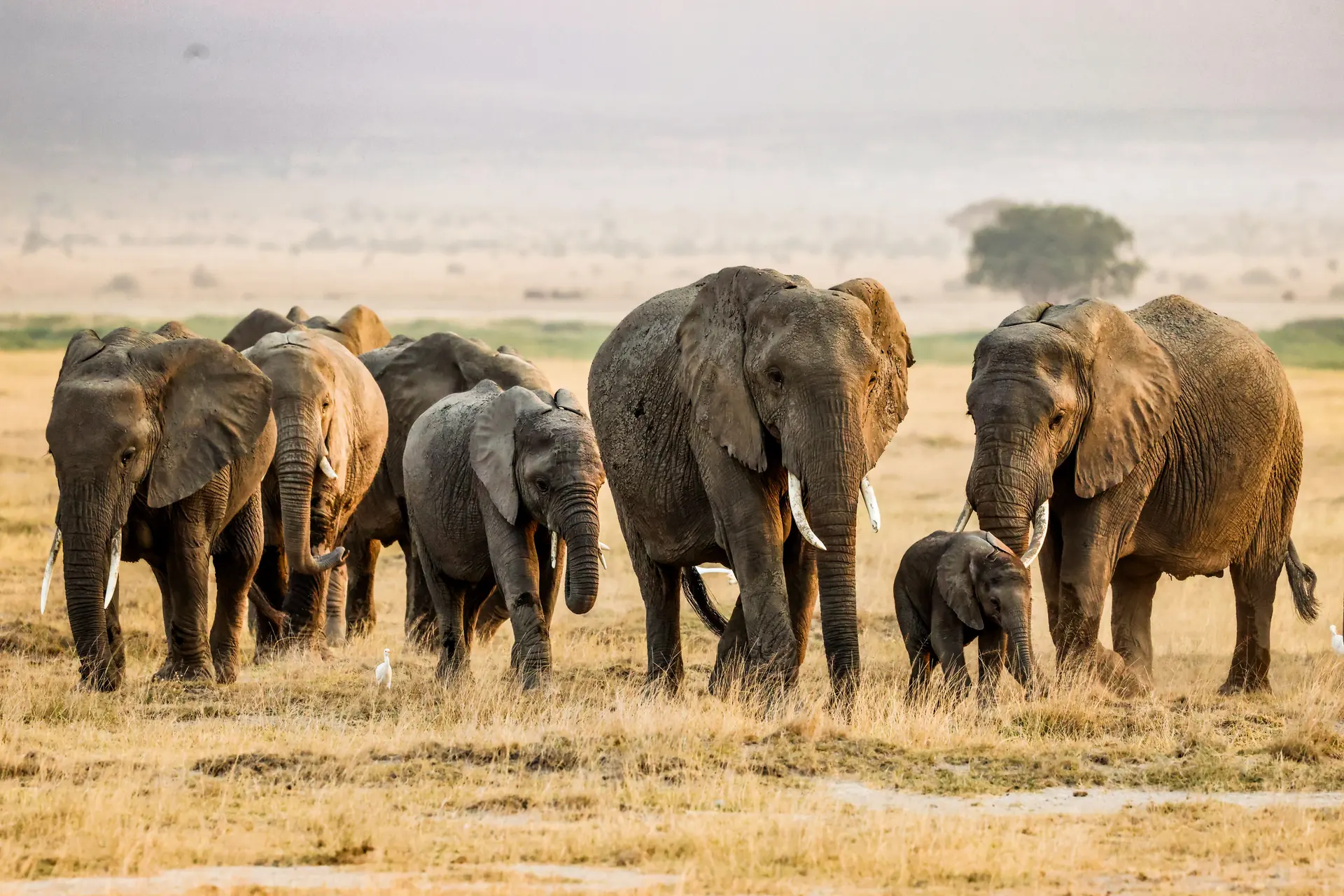
Laikipia Conservancy Weeks
Two conservancies, three nights each minimum, with walking safaris and night drives that the national parks do not permit.
Wildlife and conservation€8,900from, per person
9 days · Private
Laikipia for Families
The same conservancies, restructured for families: tracking on foot, camel walks, a night in a fly camp, and no six-hour drives.
Wildlife and conservation€7,200from, per person
Read next