guide · 5 min
Acclimatise, or waste the good days
Almost every disappointing Atacama trip is a badly sequenced one. The altitude does not negotiate.
By Clara Benitez ·
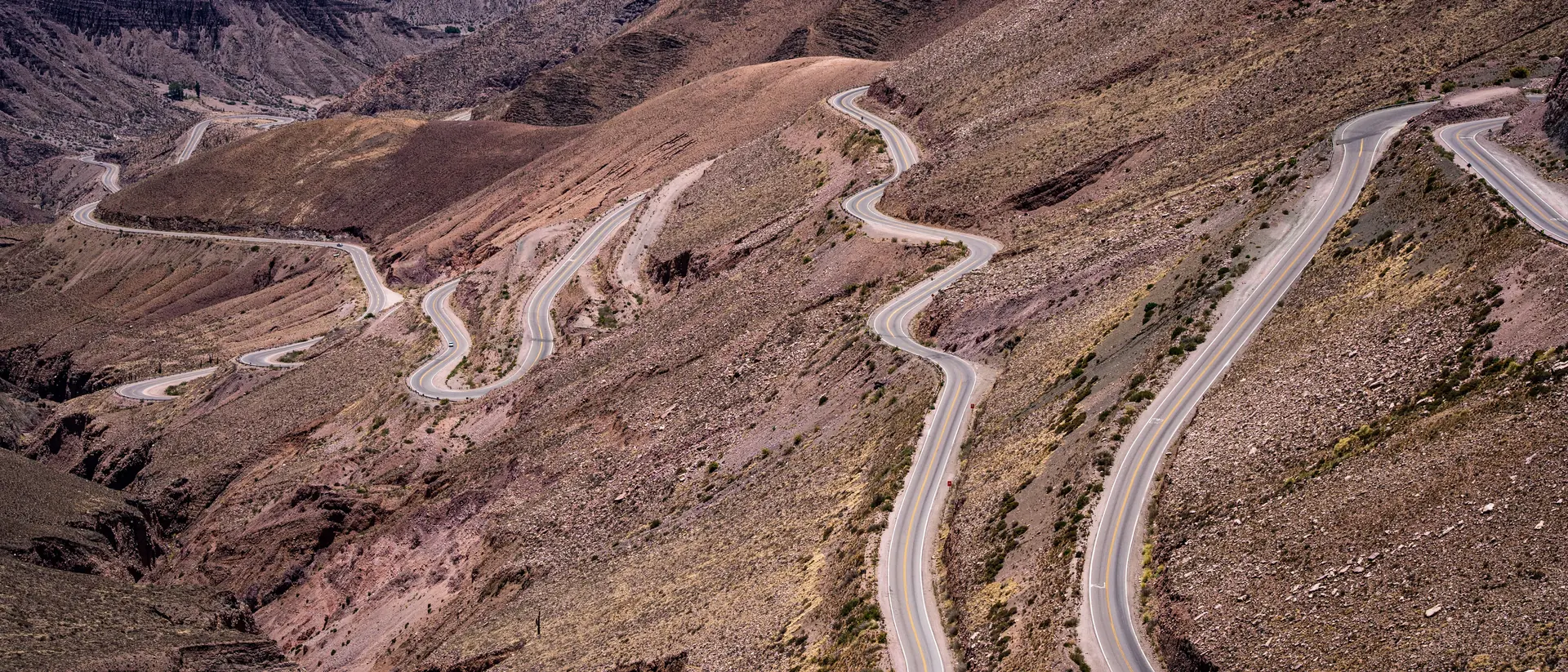
San Pedro de Atacama sits at 2,400 metres. El Tatio is at 4,320. The altiplanic lagoons are at 4,100. Almost everything worth travelling this far for is well above the town you sleep in.
The standard mistake
Fly in on Monday, salt flat on Tuesday, lagoons on Wednesday, El Tatio on Thursday at four in the morning. It is the itinerary most operators sell because it fits a week, and it is why so many people describe the geysers as a miserable experience with a headache attached.
Your body needs days, not hours, to make the adjustment. There is no supplement, breathing technique or coca tea that changes that.
What we do instead
- Two full days below 2,500 metres before anything else
- The salt flat, which is low, on day four
- One night sleeping at 3,500 metres at a refuge
- The lagoons at 4,100 on day six, from a high start
- El Tatio on day seven at the earliest, or not at all
Sleeping high is worth more than visiting high. One night at the refuge changes the whole second half of the trip.
It costs two extra days. In return, you are still enjoying yourself at four thousand metres on day seven, which is the entire reason to come.
Related
Journeys to Atacama and the Altiplano
9 days · Private
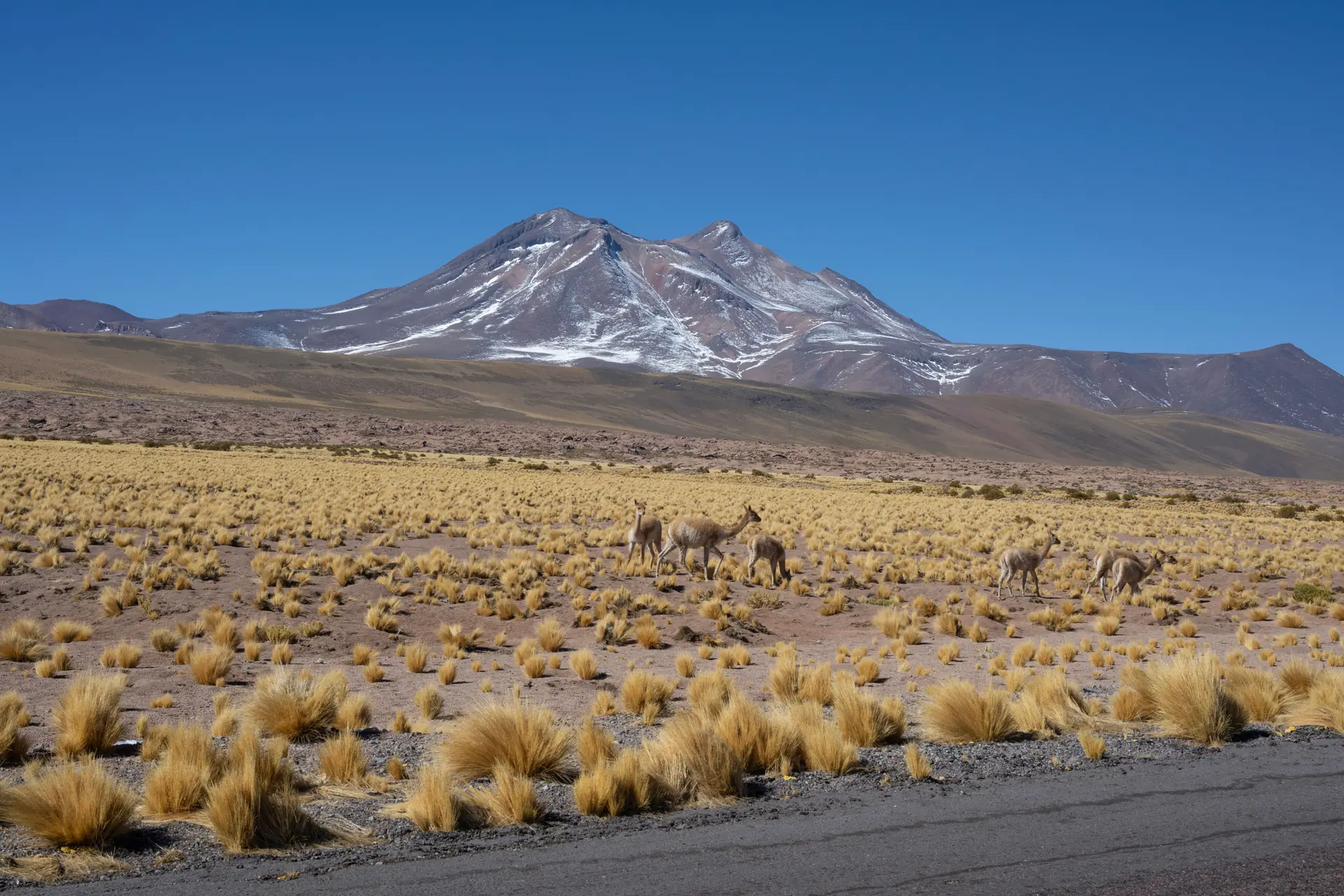
The Altiplano Traverse
Salt flats, altiplanic lagoons and the geyser field at dawn, sequenced by a geologist so that the altitude does not ruin it.
Desert and altitudeWalking and trails€5,400from, per person
6 days · Small group
Desert Sky
The short version of the Atacama, built around two nights of astronomy and one day on the altiplano.
Desert and altitude€3,200from, per person
Read next