essay · 5 min
Why we walk the Nakasendo uphill
Almost everyone walks the Kiso section downhill. It is an hour easier and a considerably worse day.
By Sho Nakamura ·
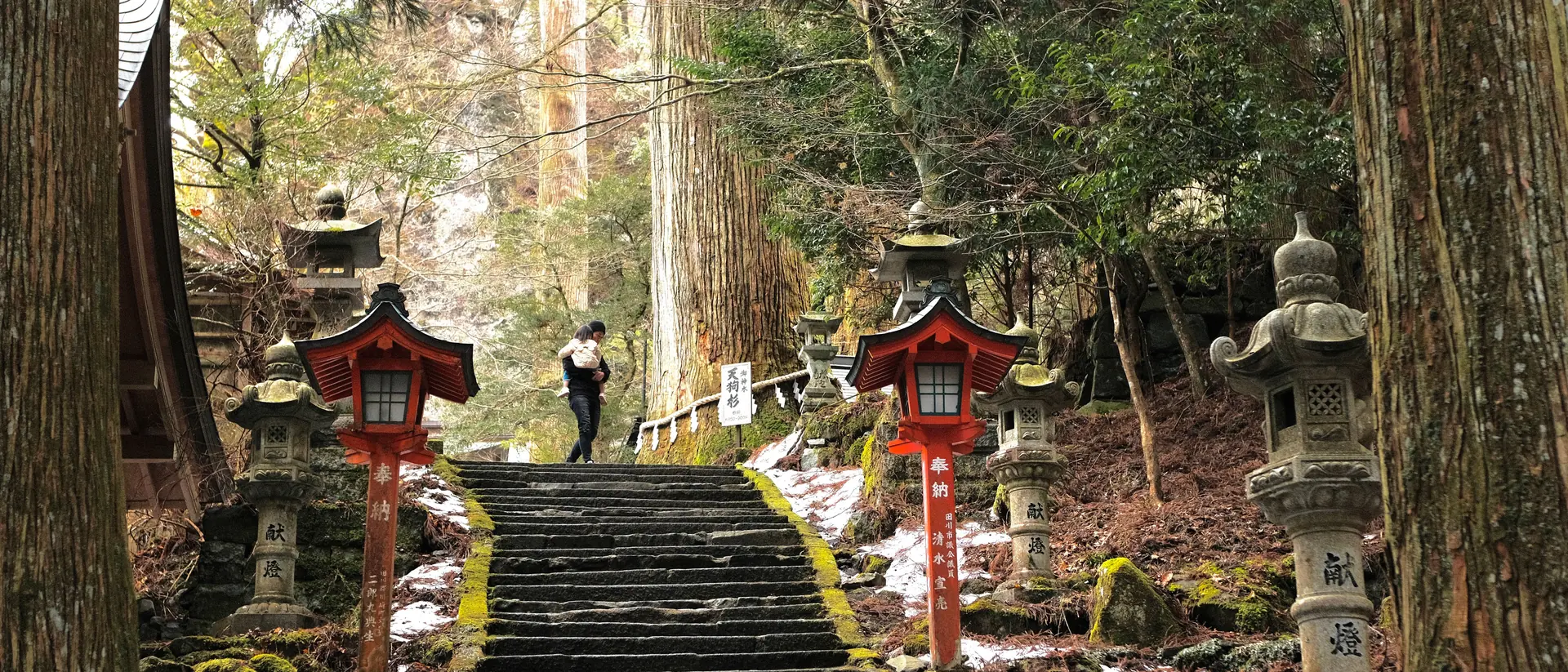
The surviving stretch of the Nakasendo between Tsumago and Magome is walked by a few hundred thousand people a year, and almost all of them walk it from Magome to Tsumago, which is downhill.
The reason is the bus timetable. It has always been the bus timetable.
What you get for the extra hour
Walking north to south you climb out of Tsumago into cedar forest with the valley closing behind you. The stone paving arrives when your legs are warm rather than when your knees are tired. The rest house halfway up is somewhere to stop rather than somewhere you pass.
And you arrive in Magome in the late afternoon, on the upper street, with the whole Kiso valley opening out below you and the day-trip coaches long gone.
Downhill you spend the day leaving somewhere. Uphill you spend it arriving.
When we book it the other way
Knees, mostly. Descending 350 metres on uneven stone is harder on a bad knee than climbing it, and for some travellers the downhill direction genuinely is the right call.
The point is that it should be a decision. If your operator has never mentioned the direction, it is because they never thought about it.
Related
Journeys to Kyoto and the Nakasendo
8 days · Private
Kyoto Craft Season
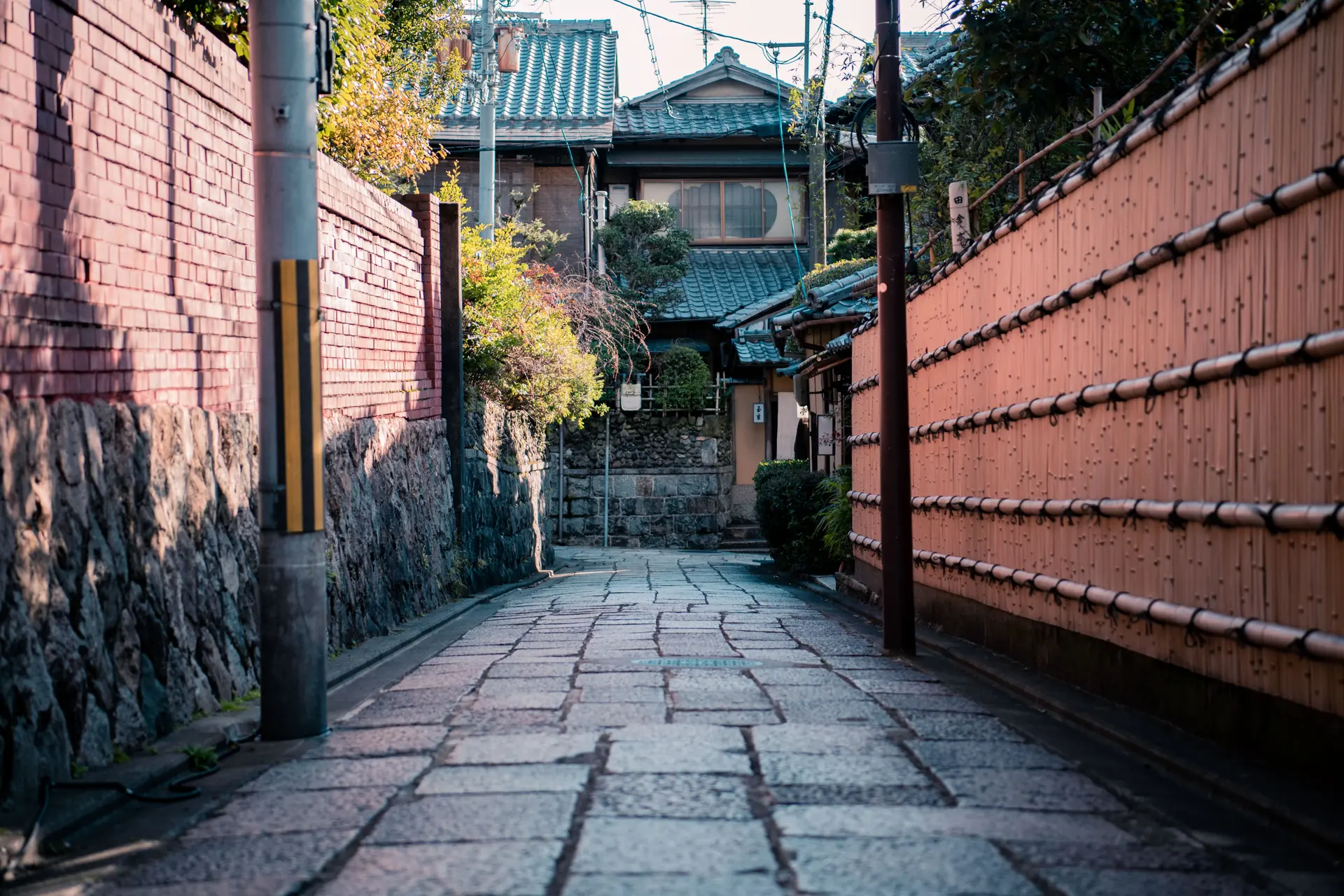
A week in Kyoto built around makers rather than sights: looms, knives, indigo and bamboo, with an interpreter and a great deal of walking.
Culture and craft€5,600from, per person
11 days · Small group
The Nakasendo on Foot
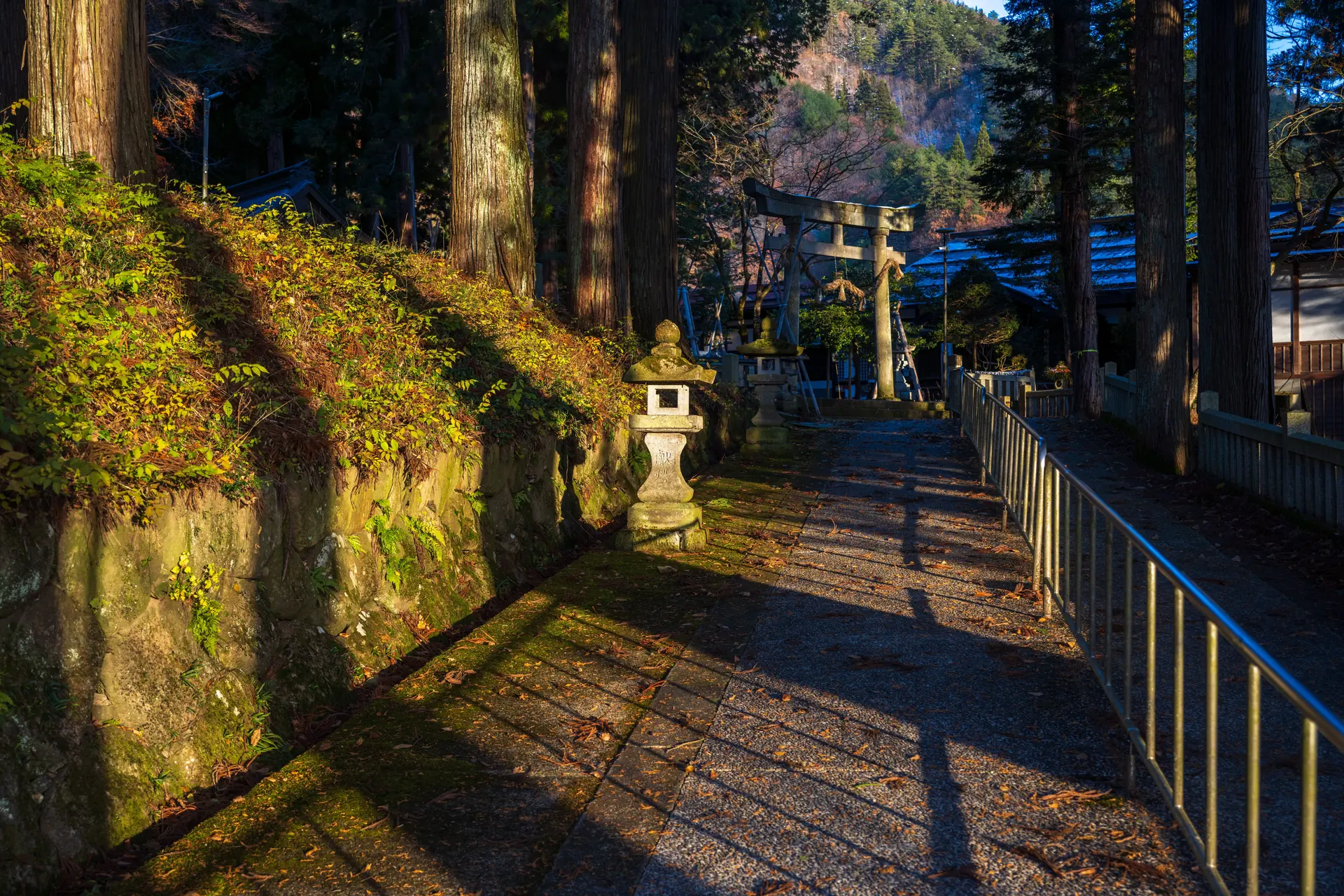
Three days in Kyoto, then the surviving stretch of the inland post road through cedar forest and wooden post towns, walked uphill.
Walking and trailsCulture and craft€5,200from, per person
Read next